


The Mountain West News Bureau has six managing partner stations – Boise State Public Radio, KANW in New Mexico, KUNC in Colorado, KUNR Public Radio in Nevada, Nevada Public Radio, and Wyoming Public Media. Colorado Public Radio in Denver and KJZZ in Phoenix are associate partners and nearly a dozen other stations are affiliate members.
The bureau also produces “Our Living Lands,” a weekly radio segment exploring how climate change affects Indigenous communities, in partnership with Koahnic Broadcast Corp. and Native Public Media.
The Mountain West News Bureau was formed in 2018 and joined NPR’s network of regional newsrooms in 2025. It receives funding from Eric and Wendy Schmidt and the Corporation for Public Broadcasting.
Managing Editor: Michael de Yoanna
KUNR Mountain West News Bureau Reporter: Kaleb Roedel
Troubled Waters: A limited series on the Colorado River
Explore each part of this Mountain West News Bureau series by clicking the photos below.
-
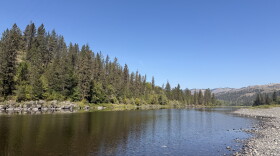 For the Nimíipuu, the start of fall means fishing and root harvesting are winding down. As the weather cools, it's also the time to prepare for the winter months ahead.
 -
 The investment was welcomed by groups that advocate for the protection of wild horses and have been pushing the government to abandon helicopter roundups.
 -
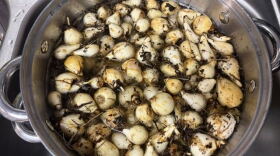 Renee Tsinigine is Diné and Nimíipuu and is a traditional foods gatherer and carer. She spoke about camas root digging, resilience and more.
 -
 As the insurance crisis deepens in the West and across the country, policies known as surplus lines are becoming more important. This lightly regulated and previously niche corner of the insurance market comes with a number of risks, and a new report from Climate Cabinet Education offers policy recommendations.
 -
 New Mexico’s highest court restores groundwater access for site
 -
 New research finds only a small portion of the nation’s rivers may be able to maintain today’s diversity of fish and other aquatic wildlife as the climate warms.
 -
 The federal government awarded millions of dollars to states to develop programs to train more healthcare providers in rural areas.
 -
 At a recent White House dinner with hunting groups and companies, Trump announced the orders directing federal land agencies to take several steps to improve hunting and angling opportunities.
 -
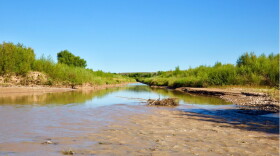 Reservoirs across the West are slowly losing space to store water as dirt, sand and other sediment pile up behind dams, according to new, sweeping, nationwide research.
 -
 The institutions of western culture continue to introduce visitors, or “dudes,” to the West, taking them horseback riding, rafting, fly fishing and more.


