

-
 gchapel/Adobe StockDroughts and wet periods in major Western watersheds often happen together, according to new research that shows how water conditions in one area can be closely tied to those hundreds of miles away.
 -
 WildEarth Guardians/Flickr Creative CommonsNew federal data shows a wide gap in the amount of carbon pollution produced by electricity generation across the West, reflecting stark differences in how states produce their power.


-
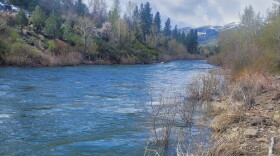 Microplastic concentrations in Nevada’s Truckee River increased nearly tenfold during spring runoff, according to new research that offers a glimpse into how plastic pollution moves through some western waterways.
 -
 Wildfires are burning more land in watersheds that provide water to communities across the West, raising concerns about water quality and infrastructure as fires become larger and more frequent.
 -
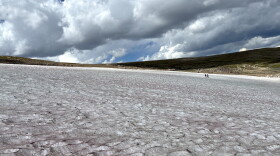 In Wyoming’s Beartooth Mountains, scientists are studying ice that has survived for thousands of years — and what could help some patches persist as the climate warms.
 -
 New research finds only a small portion of the nation’s rivers may be able to maintain today’s diversity of fish and other aquatic wildlife as the climate warms.
 -
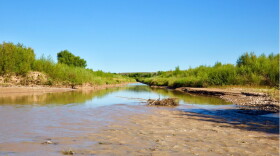 Reservoirs across the West are slowly losing space to store water as dirt, sand and other sediment pile up behind dams, according to new, sweeping, nationwide research.
 -
 Much of the West sweltered through record-breaking heat this summer, as a strengthening El Niño, unusually warm oceans and ongoing human-caused climate change combined to push temperatures to historic levels.
 -
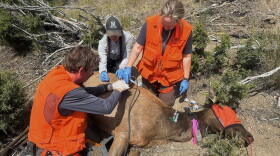 An unusual pattern of springtime elk deaths for more than a decade in northern Nevada has scientists searching for answers. What they find could shed light on broader questions about wildlife health across the West.
 -
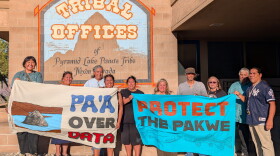 Tribal communities in Northern Nevada pass resolutions to ban data centers on their homelands and speak out against proposed data centers in the region.
 -
 Giant sequoias only grow naturally in California today. But they once ranged as far east as Colorado, Wyoming and Nevada, before the climate turned drier and pushed them into their current, narrower range.
 -
 State workplace safety regulators say the Truckee guiding company willfully failed to pull its guides out of avalanche terrain under high danger before the deadly Feb. 17 avalanche.


