© 2026 KUNR
Illustration of rolling hills with occasional trees and a radio tower.
Serving Northern Nevada and the Eastern Sierra
Play Live Radio
Next Up:
0:00
0:00
0:00 0:00
Available On Air Stations
Continue to the Watch Duty App for updates, evacuation zones, shelters, and more:

Bug Fire | Stallion Fire

Reno-Sparks Indian Colony creates a home away from home despite wildfires

Food placed buffet style on two long tables. Behind the tables are people smiling at the camera or ready to serve food.
Reno-Sparks Indian Colony Facebook page
The Reno-Sparks Indian Colony has been providing meals for their community around the clock.

At the Reno-Sparks Indian Colony evacuation shelter, tribal members find refuge and community as the Bug and Stallion fires continue to burn.

Stacey Burns was one of many residents to evacuate early this week. She said her main concern is her family’s safety.

Amidst the chaos, she’s also balancing her role as the Language and Culture Coordinator on top of her duties as a mother and community member. She says that it's all hands on deck at the shelter, with evacuees themselves volunteering.

What is crucial for other evacuees to protect is slightly different for her community.

There are hard copies, digital and audio files of Numa, Newe and Washoe languages that were moved down to Reno. These languages are at risk of becoming endangered.

“What is deemed essential is cultural,” Burns said. “Those teachings, those stories, those songs — they're essential for us as Native Indigenous people to move forward, but then to also preserve our teachings, to preserve our identity.”

At the shelter, she said there’s a shared feeling of wanting to go home and get back to normal.

“It's time to get back to life. It's time to get back to school, to work, and we're ready. Once Mother Nature tells us we're ready, we're ready,” Burns said.

The Reno Sparks Indian Colony will continue to provide resources for tribal members until the fires are contained.

Tags
Local News Reno-Sparks Indian Colonywildfires
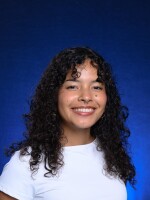
Guadalupe Alvarez is a student at the Reynolds School of Journalism at the University of Nevada, Reno. She is currently pursuing her Masters in multimedia, with an emphasis in science communications, and works as a Graduate Assistant with The Hitchcock Project for Visualizing Science. Her reporting interests include issues related to ecology, conservation, environment, and Indigenous communities.
Malory Shaw is a bilingual journalism major at the University of Nevada, Reno. Previous to her role at KUNR, she worked as a data surveillance intern at the Electronic Frontier Foundation where she developed open-source investigation and data management skills. She currently works at the Latino Research Center managing their social media and connecting to the northern Nevada Latino community.