

-
 Washoe County Sheriff's OfficeTwelve fires are over 100,000 acres.
 -
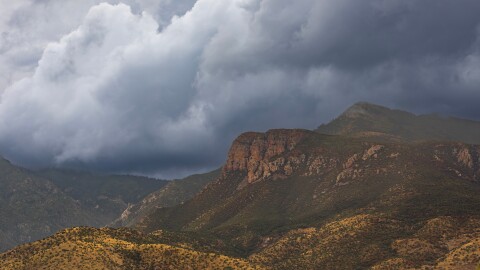 Guy J Sagi/Adobe StockAs communities across the West keep a close eye on water supplies and wildfire risk, a new federal drought forecast highlights where relief may be on the way, and where dry conditions are likely to continue.


-
 Coal-fired power generation jumped 13% in the U.S. last year, according to a recent report from the federal Energy Information Administration. That helped push carbon emissions from the power sector up about 4% — the first rise after years of declining emissions.
 -
 As federal officials negotiate new rules for sharing the Colorado River's shrinking water supply, scientists are expanding efforts to better measure one of the basin's biggest sources of water loss: evaporation.
 -
 The U.S. is building more solar farms than ever. But as projects expand, they're also raising questions about where they belong. A new industry analysis suggests one of the biggest concerns — that solar is consuming too much prime farmland — may be overstated, especially in the American West.
 -
 Prescribed fires can reduce wildfire risk while also improving wildlife habitat, according to a new study from the Nature Conservancy.
 -
 Hummingbirds, Bullock’s Orioles, and sparrows are just some of the many birds building their nests with trash – it’s a growing phenomenon across the world.
 -
 Costa Rica is widely known for its nature and conservation, attracting millions of visitors a year.
 -
 For the first time on record, solar power generated more electricity than coal in the United States during a full calendar month — a milestone that underscores how quickly the nation's power system is changing.
 -
 Climate Change has led to a dramatic shift in Costa Rica's weather patterns
 -
 A new study is challenging one of the most persistent arguments against removing aging dams: that nearby communities will suffer economically if the structures come down.
 -
 In rural areas of Costa Rica, pineapple plantations are cropping up more frequently. Sometimes they’re right next to homes, raising health concerns about pesticide use.


