-
 New research finds only a small portion of the nation’s rivers may be able to maintain today’s diversity of fish and other aquatic wildlife as the climate warms.
 -
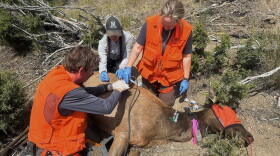 An unusual pattern of springtime elk deaths for more than a decade in northern Nevada has scientists searching for answers. What they find could shed light on broader questions about wildlife health across the West.
 -
 Prescribed fires can reduce wildfire risk while also improving wildlife habitat, according to a new study from the Nature Conservancy.
 -
 Severe drought is shrinking the places many Western animals depend on for food, water and shelter, and the effects may be strongest for predators, according to new research.
 -
 After a wildfire, rivers and streams can take years to recover. Native plants and wildlife are often crowded out by invasive species in the aftermath. But in Nevada’s Virgin River watershed, a collaboration between federal agencies and conservation groups is pointing to early signs of recovery.
 -
 Salt lakes in the American West are shrinking — from Utah’s Great Salt Lake to smaller lakes scattered across the Great Basin. In her new book “Salt Lakes: An Unnatural History,” writer Caroline Tracey explores why these unusual landscapes matter, and what their decline reveals about humans’ impact on the environment.
 -
 Nevada wildlife officials have confirmed the presence of the fungus that causes white-nose syndrome in bats, marking the first detection in the state — and making Nevada the final western state where the pathogen has now been found.
 -
 Shorter days mean more nighttime driving — and across the Mountain West, that’s leading to a surge in collisions with wildlife.
 -
 Climate change could be taking a toll on the smallest creatures in the Mountain West. A new study finds insect populations in one mountain valley have plunged by more than 70% in recent decades. Scientists say this trend could shake the food chain in alpine areas across the region.
 -
 A federal judge recently ordered the U.S. Department of Agriculture (USDA) to scale back its use of pesticides in all western states. Environmental groups say the ruling is a big step toward protecting rangeland wildlife.

© 2026 KUNR

Serving Northern Nevada and the Eastern Sierra
Play Live Radio
Next Up:
0:00
0:00
Available On Air Stations


