-
 Coal-fired power generation jumped 13% in the U.S. last year, according to a recent report from the federal Energy Information Administration. That helped push carbon emissions from the power sector up about 4% — the first rise after years of declining emissions.
 -
 Electric vehicles are becoming more common across the country. But in the Mountain West, long distances, rural roads and wide-open spaces can make switching to electric more challenging.
 -
 A new study in the journal Science suggests rivers in the arid American West may be doing something unexpected: absorbing carbon dioxide from the atmosphere. The finding could reshape how scientists model climate change.
 -
 A new study finds that what Americans eat — particularly beef — plays a major role in carbon emissions in cities. And cities in the Mountain West rank among those most heavily impacted.
 -
 A new study finds that human emissions are the main culprit behind the decades-long drought that ebbs and flows across the Western U.S. Scientists warn the drier pattern could become the new normal, with major implications for water supplies.
 -
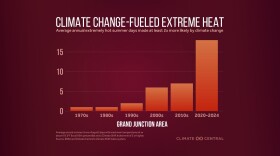 A new analysis shows that climate change is causing the number of extremely hot summer days to rise in most major U.S. cities. Some of the biggest increases are in the Mountain West.
 -
 Landfills are the nation’s third-largest source of methane, behind agriculture and fossil fuels. And a new study shows many landfills, including those in the Mountain West, are polluting the air even more than they are reporting.
 -
 During the pandemic, vehicle miles traveled, or driving rates, plummeted across the country. Now, not only are driving rates back up, but a new analysis shows Americans – including those in the Mountain West – are driving more than ever.
 -
 The Western Governors' Association, a group of 22 western governors, recently released its highly anticipated plan to decarbonize the West.
 -
 Methane is a strong climate-warming pollutant. And a new study shows oil and gas operations in the Mountain West and beyond are leaking a lot more of it than the government thinks.

© 2026 KUNR

Serving Northern Nevada and the Eastern Sierra
Play Live Radio
Next Up:
0:00
0:00
Available On Air Stations


