-
 Nevada is updating decades-old estimates of its groundwater supplies as farmers rethink irrigation practices and a warming climate threatens water availability.
-
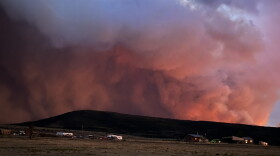 Farmland across the West may be doing more than growing crops. It could also help stop wildfires in their tracks.
-
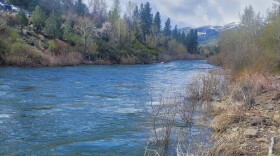 Microplastic concentrations in Nevada’s Truckee River increased nearly tenfold during spring runoff, according to new research that offers a glimpse into how plastic pollution moves through some western waterways.
-
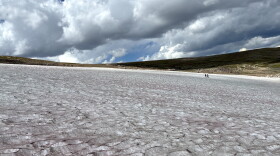 In Wyoming’s Beartooth Mountains, scientists are studying ice that has survived for thousands of years — and what could help some patches persist as the climate warms.
-
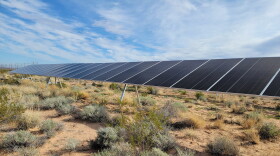 As large solar projects become more common across the Mountain West, questions remain about their environmental footprint, especially in fragile desert ecosystems. New research from Nevada suggests that with careful planning, renewable energy development and rare native plants may be able to coexist.
-
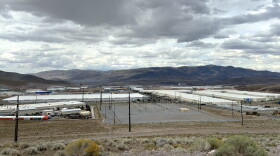 AI data centers use large amounts of water for cooling. And many are being built in the drought-stricken Mountain West, sparking concerns over water supplies.
-
 A new report finds multi-day streaks of extreme heat are becoming stronger and lasting longer across the U.S., especially in Mountain West states. Experts warn that heatwaves are not only a health concern, but can strain energy resources.
-
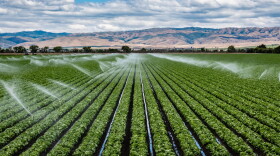 A new study shows just how much climate change is shrinking water supplies for Western farmers. But its authors also have some ideas of what they could do to adapt.
-
 The federal government is spending $7 million to improve climate projections years – and decades – in advance. That’s to help communities and industries better plan for the effects of climate change.
-
 The Desert Research Institute has been sending free STEM curriculum units to Nevada teachers for a decade now. This year they’ve added sixty new so-called green boxes.

© 2026 KUNR

Serving Northern Nevada and the Eastern Sierra
Play Live Radio
Next Up:
0:00
0:00
Available On Air Stations


